Maintaining a beautiful garden requires time, effort, and the right tools. One of the most effective solutions for tackling tough soil is the garden weasel tool. This innovative device simplifies digging, aerating, and preparing garden beds. Many gardeners struggle with hard-packed earth or compacted lawns. The garden weasel tool was designed specifically to address these challenges.
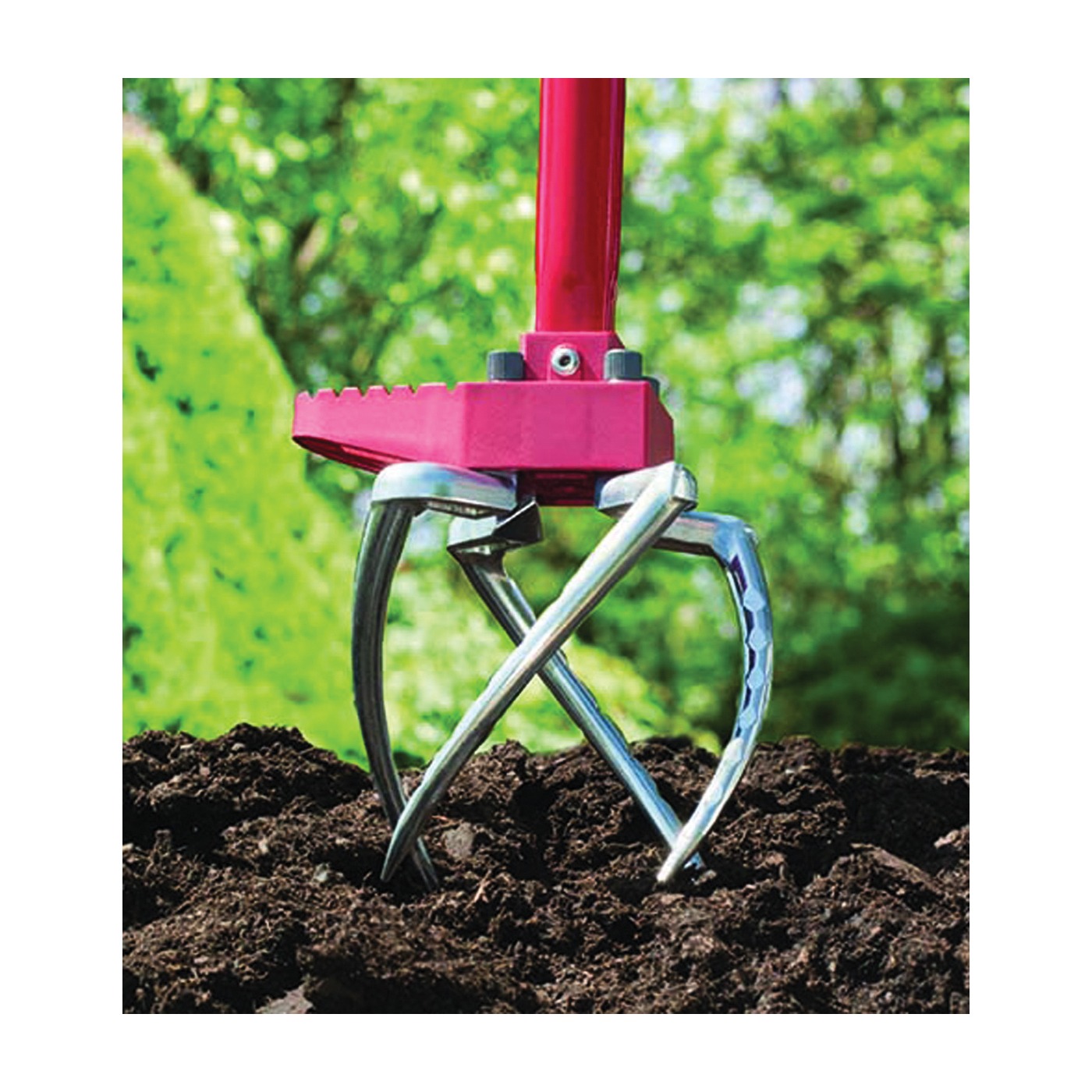
Its unique tine design allows it to penetrate deeply into the ground. Users simply push it forward, then pull it back to break up soil efficiently. Unlike traditional shovels or spades, it reduces strain on the back and arms. It works well in both small flowerbeds and larger vegetable plots. Whether you’re planting bulbs or improving drainage, this tool proves invaluable.
Another benefit of the garden weasel tool is its durability. Made from strong steel and fitted with a comfortable handle, it withstands repeated use. Most models feature rust-resistant coatings for long-term reliability. You won’t need to replace it after just one season. Over time, it becomes a trusted companion in your gardening routine.
 Why the Gardening Tool Stands Out Among Garden Implements
Many hand tools claim to make gardening easier. However, few deliver results like the garden weasel tool. Its aggressive tines grab hold of compacted soil effectively. They loosen dirt without turning it completely over. This method preserves beneficial microbes and root structures nearby.
Additionally, the tool’s action promotes better water absorption. When soil is too dense, rainwater runs off instead of soaking in. By using the garden weasel tool, you create channels for moisture to reach plant roots. This leads to healthier growth and less need for frequent watering.
The lightweight build also contributes to its popularity. You can carry it around the yard with ease. It doesn’t require electricity or fuel, making it eco-friendly. There are no cords to manage or engines to maintain. Just pick it up and start working wherever needed.
Moreover, assembly is typically quick and straightforward. Most versions attach easily to standard handles. Some even come with ergonomic grips to reduce hand fatigue. These features make it accessible to older adults or those with limited strength.
How to Use a Gardening Tool Effectively
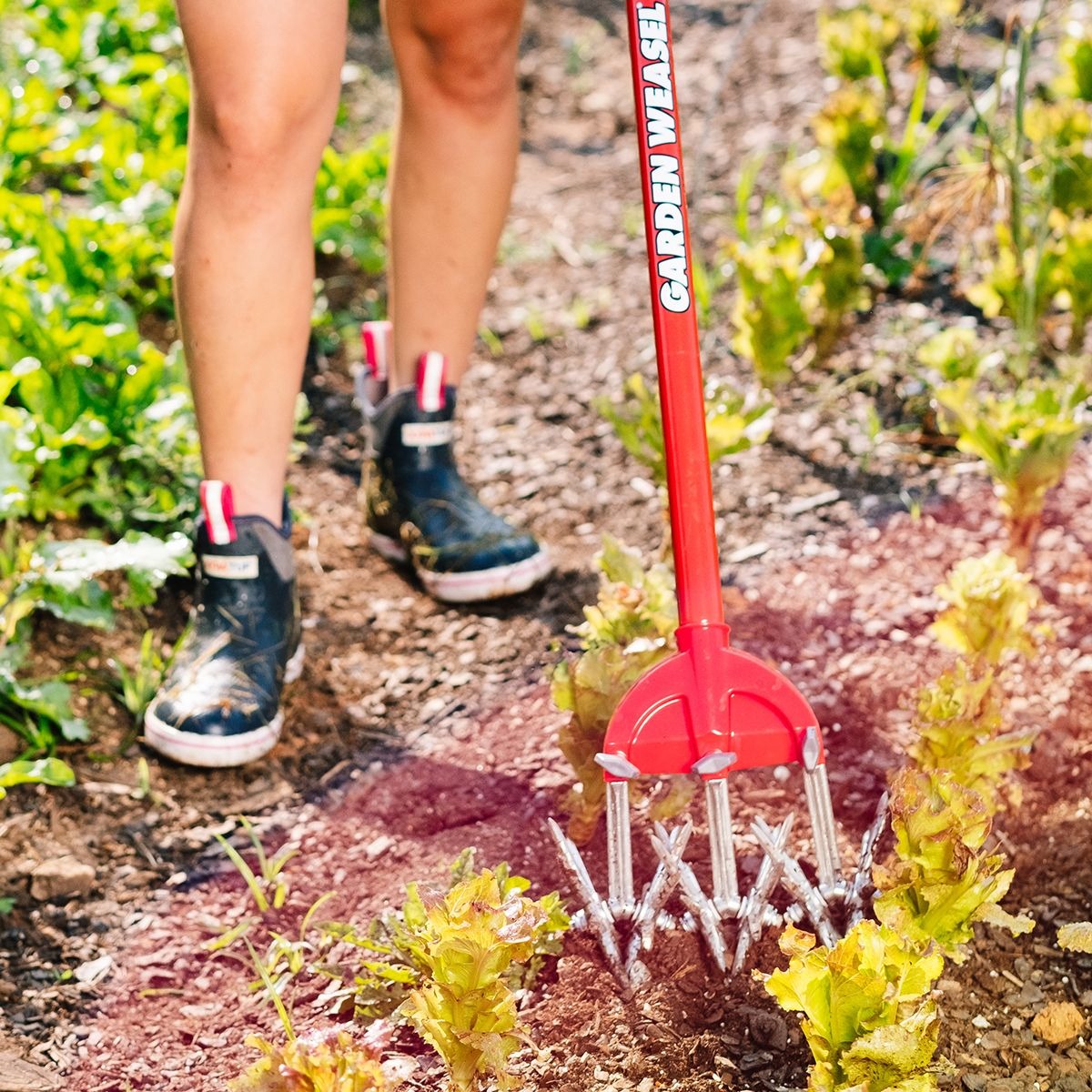
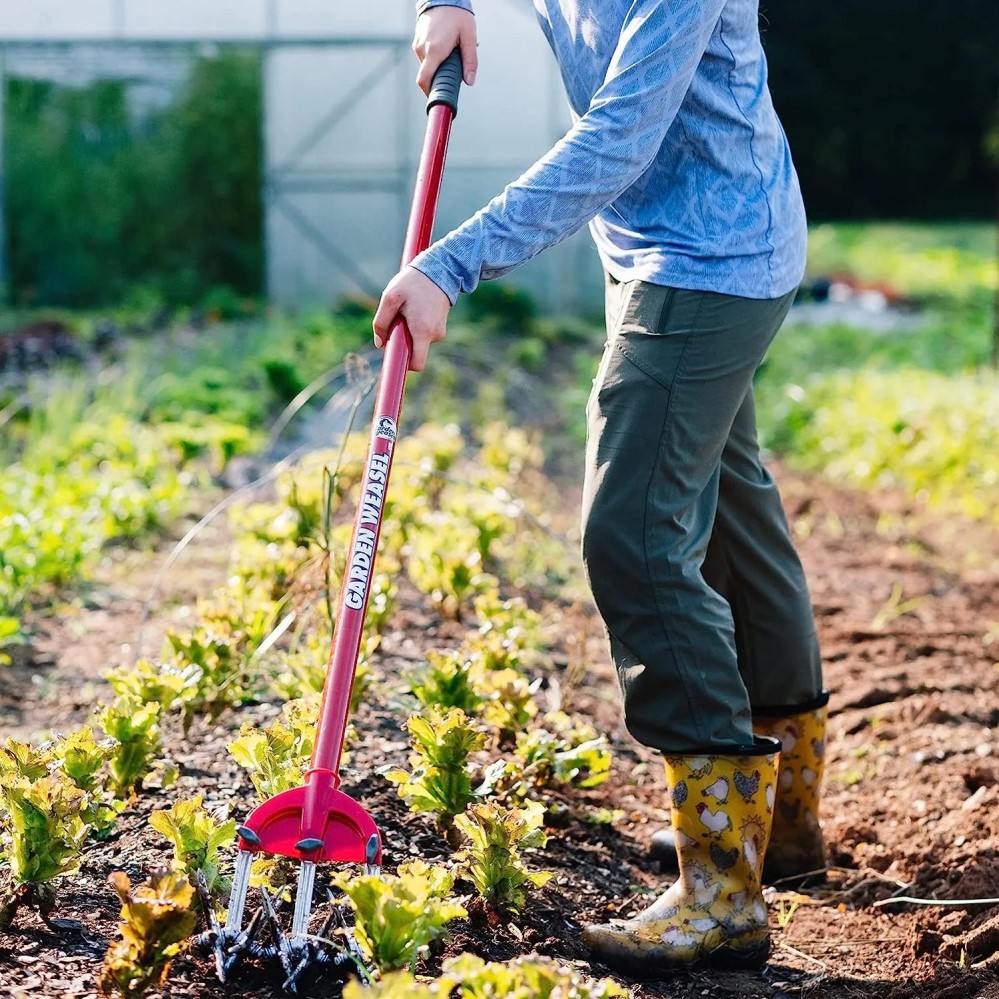
Using a garden weasel tool correctly ensures maximum efficiency. Begin by positioning the tines at the edge of the area you want to work on. Stand with your feet shoulder-width apart for stability. Grip the handle firmly but not too tightly.
Push the tool forward using your body weight. Let the sharp tines do the work as they slice into the soil. Avoid jerky movements; smooth pressure yields better results. Once fully extended, pull it back toward you.
This backward motion lifts and fractures compacted layers beneath the surface. Repeat the process across the entire section. Overlap each pass slightly to ensure full coverage. Work in straight lines for a neat, uniform finish.
For deeper aeration, go over the same spot twice. First, make shallow passes to break the top layer. Then apply more force on the second round. This two-step approach improves soil structure significantly.
Always clean the tines after use. Remove stuck dirt and debris with a brush or hose. Dry it thoroughly before storing to prevent rust. Regular maintenance keeps the garden weasel tool in top condition.
 Choosing the Right Model of Gardening Tools
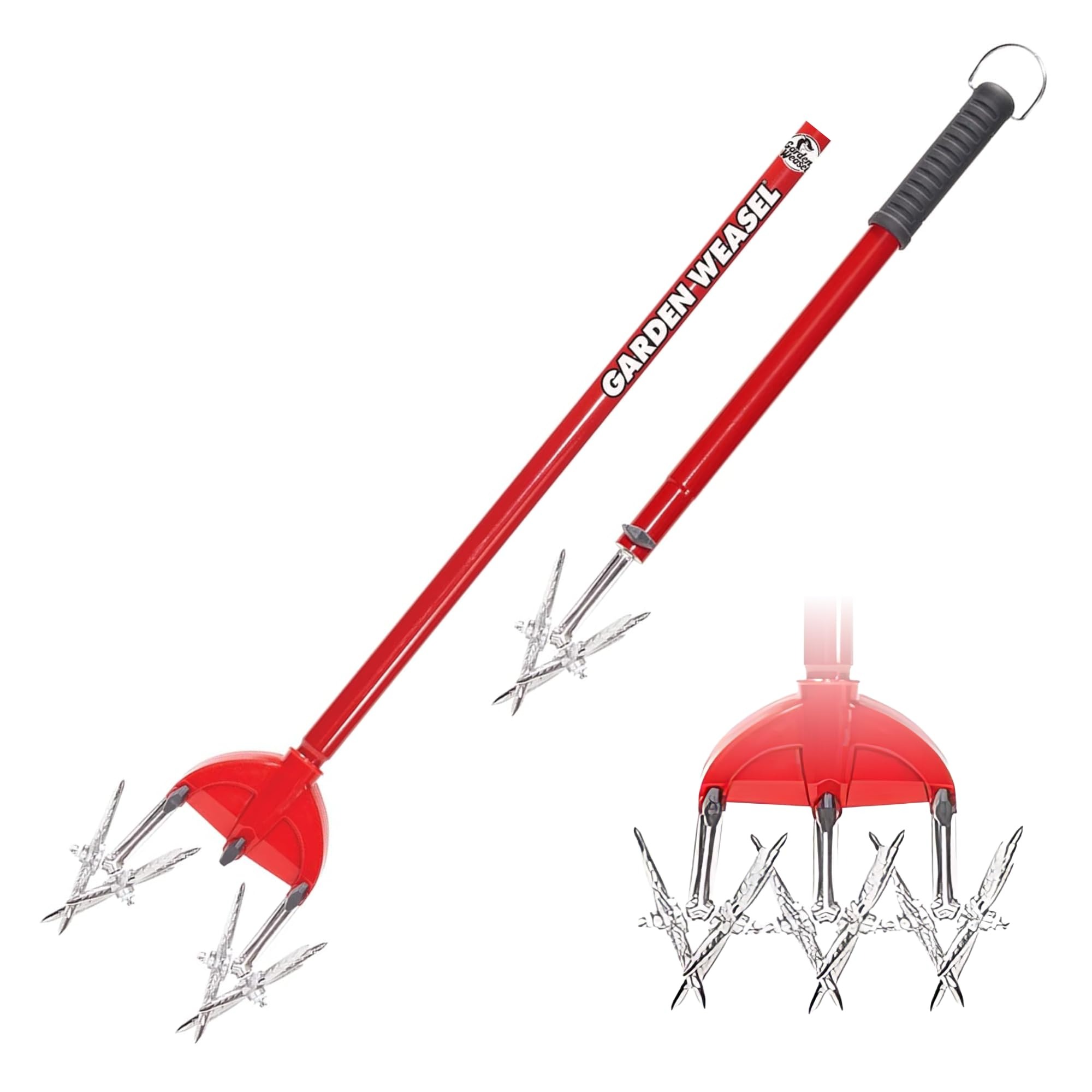
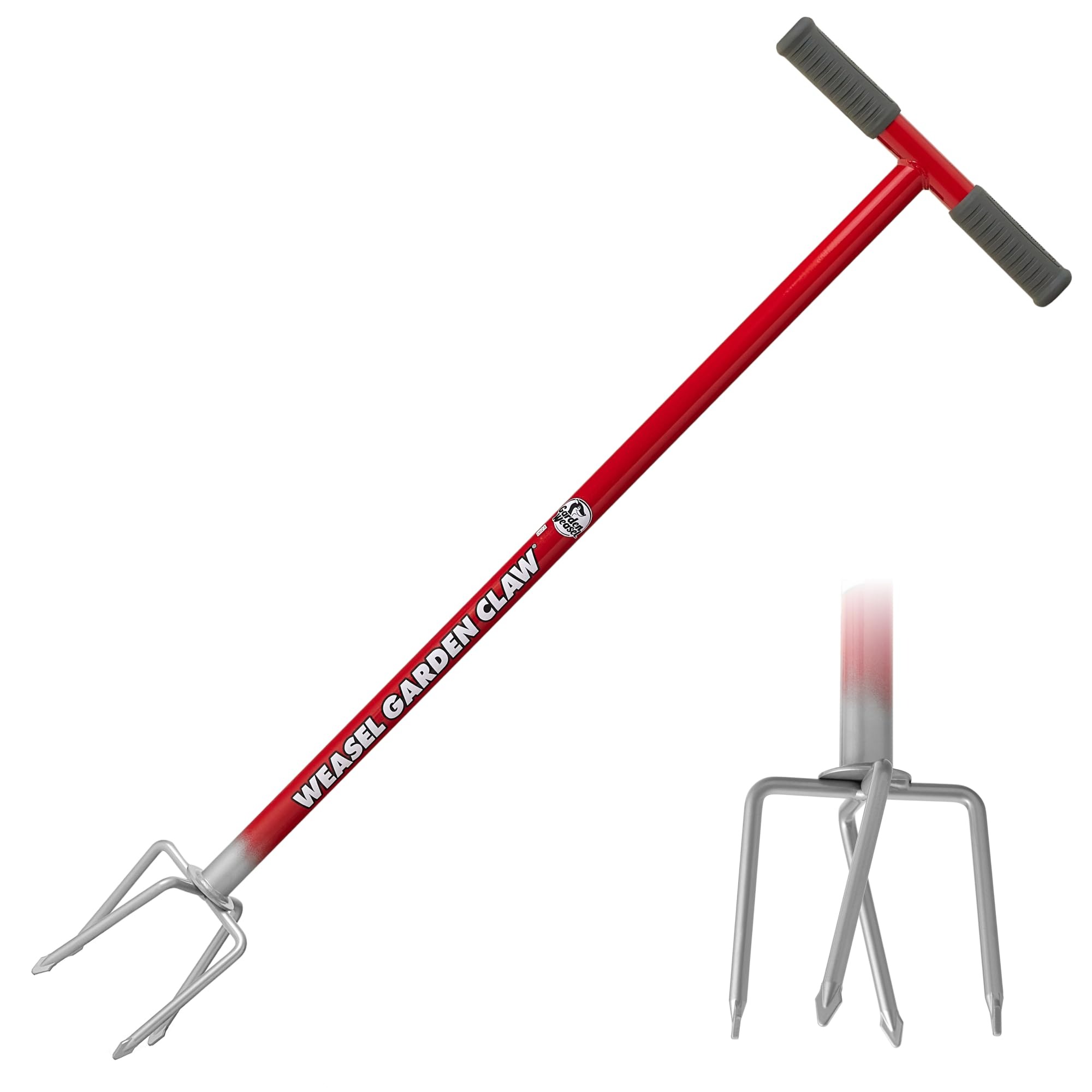
Not all garden weasel tools are created equal. Various models offer different tine lengths and configurations. Shorter tines work well in rocky or shallow soils. Longer ones provide deeper penetration in looser ground.
Consider the width of the tool as well. Wider versions cover more ground per pass. They save time when working on large lawns or fields. Narrower options suit tight spaces between plants or along borders.
Handle length plays a crucial role too. A longer handle reduces bending and strain. It allows you to maintain an upright posture while working. Look for adjustable or telescoping handles if possible.
Some garden weasel tools come with rotating heads. These pivot naturally with your motion. They reduce resistance and make pulling easier. Others have fixed heads that offer more control in precise areas.
Check the material quality before purchasing. Solid steel tines last longer than hollow or coated ones. Reinforced welds prevent breakage under pressure. Read customer reviews to learn about real-world performance.
Also, think about storage space. Foldable or detachable models are convenient for small sheds. Make sure replacement parts are available if needed. A reliable warranty adds extra peace of mind.
Benefits of Incorporating a Gardening Tool Into Your Routine
Adding a garden weasel tool to your toolkit brings noticeable improvements. First, it speeds up soil preparation tasks. What used to take hours now takes minutes. You’ll spend less time struggling and more time enjoying your garden.
Second, it enhances plant health indirectly. Loosened soil allows roots to spread freely. Oxygen reaches deeper levels, supporting microbial activity. Nutrients become more accessible to growing plants.
Weeds also become easier to manage. Their roots lose grip in loosened earth. You can remove them more completely with minimal effort. Fewer weeds mean less competition for water and sunlight.
The garden weasel tool also supports seed germination. Seeds planted in aerated soil establish faster. They face fewer obstacles pushing through dense layers. This increases sprouting rates and overall yield.
Over time, consistent use improves soil texture. Compacted clay gradually turns into crumbly, fertile ground. Earthworms and other helpful organisms thrive in such conditions. Your garden becomes a self-sustaining ecosystem.
Lastly, it encourages regular maintenance. Because the task feels less daunting, you’re more likely to do it often. Frequent aeration prevents future compaction issues. Prevention is always easier than correction.
 Seasonal Uses for the Gardening Tools
Gardening needs change throughout the year. Fortunately, the garden weasel tool adapts to seasonal demands. In early spring, use it to prepare beds for planting. Break up winter-hardened soil gently. Create furrows for seeds or transplants.
As temperatures rise, focus shifts to lawn care. Summer heat often dries out grass roots. Use the garden weasel tool to aerate the turf lightly. This helps water and fertilizer reach deeper layers. Your lawn stays greener despite dry spells.
Fall is another prime time for this tool. Leaves and foot traffic compress the ground over time. Aerating before winter protects root systems from damage. It also prepares the soil for next year’s growth cycle.
During late autumn, clear away fallen leaves first. Then run the garden weasel tool over bare patches. This incorporates organic matter into the topsoil. Decomposing leaves enrich the earth naturally.
Even in colder months, light maintenance may be necessary. If snow melts early, check for muddy spots. Quick aeration prevents puddling and erosion. Keep the tool stored indoors to avoid freezing damage.
By aligning usage with seasons, you maximize benefits. Each application builds upon the last. Over time, your garden becomes increasingly resilient and low-maintenance.
Comparing the Gardening Tool to Traditional Alternatives
Traditional tools like pitchforks and spades have been used for generations. While effective, they demand significant physical effort. Lifting and turning soil repeatedly causes fatigue. Many people abandon projects halfway due to discomfort.
In contrast, the garden weasel tool operates differently. It slices and fractures rather than lifting. This method requires less strength and produces similar results. You achieve deep aeration without exhausting yourself.
Rototillers offer mechanical power but lack precision. They disturb too much of the soil profile. Beneficial fungi and insect habitats get destroyed in the process. The garden weasel tool targets only specific zones.
Hand cultivators are smaller and limited in scope. They work well around individual plants. But covering large areas takes far too long. The garden weasel tool bridges the gap between detail and scale.
Rakes serve a different purpose altogether. They level and gather debris but don’t loosen subsoil. Using a rake after the garden weasel tool enhances results. Combine them for complete bed preparation.
Trowels are ideal for digging holes, not broad-scale work. They cannot match the depth or speed of the garden weasel tool. For extensive projects, efficiency matters most.
Ultimately, each tool has its place. Yet, the garden weasel tool fills a niche others miss. It balances power, control, and ease of use perfectly. That’s why so many gardeners now rely on it.
 Frequently Asked Questions
Can I use a garden weasel tool in wet soil?
It’s best to avoid using the garden weasel tool when the ground is soggy. Wet soil sticks to the tines and clogs the mechanism. This reduces effectiveness and makes cleaning harder.
Wait until the surface dries slightly. Test by walking on it—if your shoes leave deep prints, it’s too wet. Light moisture is acceptable, but standing water is not.
Is the garden weasel tool safe for use around tree roots?
Yes, when used carefully. The tines go deep, so keep a safe distance from known root zones. Focus on outer drip lines where feeder roots are less concentrated.
Move slowly near trees and pause if you feel unusual resistance. This could indicate contact with a major root. Switch to hand tools in sensitive areas to avoid damage.
How often should I use the garden weasel tool?
For gardens, once per season is usually enough. Spring and fall are ideal times for deep aeration. Lawns may benefit from monthly light passes during growing periods.
Adjust frequency based on soil type. Clay-heavy grounds compact faster and need more attention. Sandy soils stay loose longer and require less intervention.
Does the garden weasel tool work in rocky yards?
Performance depends on rock size and density. Small pebbles won’t stop the tines. Larger stones may block penetration or cause deflection.
Inspect the area beforehand and remove visible rocks. Use the tool in zigzag motions to navigate around obstructions. Consider alternative methods if the yard is extremely rocky.
Can I sharpen the tines of my garden weasel tool?
Yes, you can sharpen dull tines with a metal file. Focus on the tips and edges for best results. Do this periodically to maintain cutting efficiency.
Wear gloves and secure the tool before filing. Clean off any metal shavings afterward. Proper upkeep extends the life of your garden weasel tool significantly.
 Final Thoughts on Maximizing Your Gardening Success
A successful garden starts with healthy soil. The garden weasel tool plays a vital role in achieving that foundation. It simplifies difficult tasks and saves valuable time. More importantly, it reduces physical strain during yard work.
Investing in a quality model pays off in the long run. Choose one that matches your garden size and soil type. Maintain it properly to ensure lasting performance. With regular use, you’ll see visible improvements in plant growth.
Don’t underestimate the value of proper technique. Push and pull smoothly, overlap passes, and clean after each session. These small habits enhance overall effectiveness. Soon, using the garden weasel tool will feel natural and satisfying.
Whether you’re a beginner or experienced gardener, this tool deserves a spot in your shed. It supports sustainable practices by minimizing disruption. It empowers you to care for your land efficiently. Make the garden weasel tool part of your essential toolkit today.