Understanding the Basics of Washing Machine Cycles
Modern washing machines are sophisticated appliances. They come with numerous settings that often confuse users. Many people simply press the “Normal” button every time. However, ignoring other cycles limits your machine’s potential. Consequently, understanding specific settings is crucial for fabric care. You might wonder what does heavy duty mean on a washing machine. This is a common question for new homeowners. In this article, we provide a comprehensive heavy duty washing machine cycle explained guide. Knowing the best heavy duty washer settings for clothes can extend the life of your garments. We will also dive deep into the heavy duty wash cycle meaning to ensure you fully grasp the concept.
Learning how to use heavy duty on washing machine controls properly will transform your laundry routine. Additionally, we will clarify the distinction in the washing machine heavy duty vs normal debate. By the end of this guide, you will be a laundry expert. You will save time and protect your clothing investment.
The Mechanics Behind the Heavy Duty Setting
The heavy duty cycle is engineered for rigorous cleaning. Therefore, it functions differently than a standard wash. This setting utilizes a combination of high agitation and longer wash times. The washing machine works harder to remove stubborn dirt. Consequently, it is perfect for items that can withstand intense motion. The internal motor spins the drum with more force. This force dislodges dirt particles from fibers effectively. Furthermore, the cycle often includes a high-speed spin. This spin extracts more water than usual. As a result, drying time is significantly reduced.
Additionally, water temperature plays a vital role. The heavy duty setting frequently defaults to warm or hot water. Hot water aids in breaking down grease and heavy soils. Therefore, it boosts the cleaning power of the detergent. Manufacturers design this cycle for durability. It puts more stress on the fabric. Thus, you must choose your load carefully. You would not use a sledgehammer to crack a nut. Similarly, you should not use this cycle for delicate silk. The mechanics are simple but powerful. They rely on friction and heat. These two elements work in tandem. They ensure the deepest possible clean for tough textiles. Understanding these mechanics helps you appreciate your machine’s capability. It is a heavy lifter in your laundry room.
Ideal Fabrics for the Heavy Duty Cycle
What does heavy duty mean on a washing machine? Not all fabrics can handle the intense nature of this cycle. Therefore, knowing which items to wash is essential. Heavy cottons are the best candidates. Think about your denim jeans. Denim is a robust fabric. It rarely suffers damage from high agitation. Furthermore, towels are excellent candidates for this setting. Bath towels often accumulate mildew odors. The heavy duty cycle cleans them thoroughly. It removes deep-seated bacteria and oils. Consequently, your towels come out fresh and fluffy. Bed sheets are another suitable item. Especially if you have pets or children. Sheets collect sweat and dirt over time. This cycle ensures they are hygienically clean.
Moreover, sturdy canvas items work well. Work clothes or gardening overalls fit this category. These clothes are designed for tough environments. Therefore, they can withstand the machine’s power. You can also wash heavy blankets. However, you must ensure the machine is not overloaded. Overloading reduces cleaning efficiency. It also strains the motor. Always check the care label first. If the label says “machine wash warm,” it usually implies a sturdy cycle. Conversely, avoid anything with lace or embroidery. These delicate details will unravel. The intense friction destroys fragile fibers. So, reserve this cycle for the tough guys in your laundry basket. Your delicate items will thank you for it.
Comparing Heavy Duty with Normal and Delicate Cycles
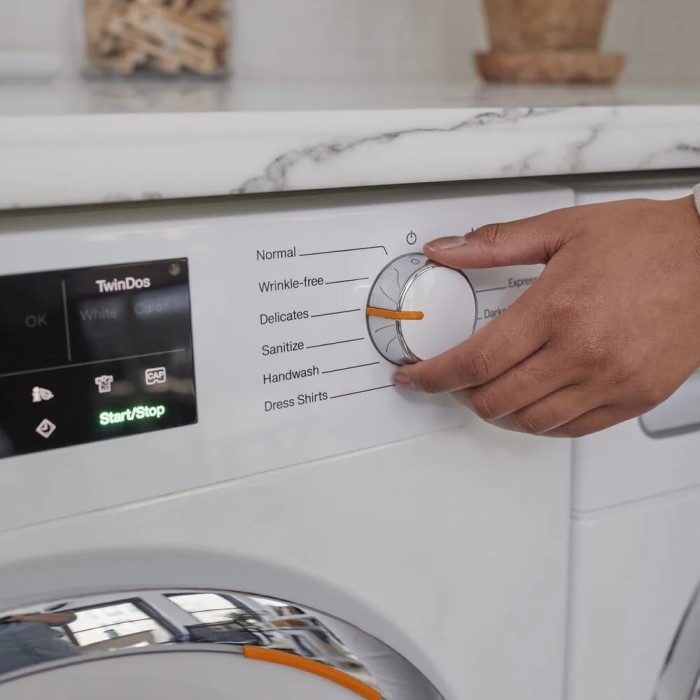
What does heavy duty mean on a washing machine? It is helpful to compare cycles to understand their functions. The Normal cycle is the jack of all trades. It uses moderate agitation speed. It also has a standard spin speed. Consequently, it works well for everyday loads. T-shirts and casual wear fit this category. In contrast, the heavy duty cycle is much more intense. It uses faster agitation and higher spin speeds. Therefore, it cleans more aggressively. The Normal cycle is safer for mixed fabrics. However, it may not remove deep stains effectively.
On the other hand, the Delicate cycle is the gentlest option. It uses slow agitation and a low spin speed. This mimics hand washing. Consequently, it protects fine fabrics like silk and wool. You might wonder about the Bulky setting. This setting is for large items like comforters. It uses more water to soak the item. However, it has lower agitation than heavy duty. Therefore, heavy duty is about power. Normal is about balance. Delicate is about protection. Bulky is about volume. Choosing between them depends on the soil level. It also depends on the fabric type. If your clothes are heavily soiled, heavy duty is best. If they are lightly worn, Normal is fine. Using the wrong cycle leads to wear and tear. So, match the cycle to the mess.

The Role of Water Temperature and Energy Consumption
What does heavy duty mean on a washing machine? The heavy duty cycle impacts more than just fabric cleanliness. It also affects your utility bills. This setting typically uses hot water. Heating water requires significant energy. Therefore, running this cycle frequently increases electricity costs. However, the trade-off is superior cleaning. Hot water is superior for sanitization. It kills dust mites and bacteria. This is vital for allergy sufferers. Consequently, the extra cost might be justified for health reasons.
Furthermore, the longer wash time contributes to energy use. The motor runs for an extended period. This draws more power. However, the high-speed spin saves energy later. Wet clothes require more time in the dryer. The dryer is one of the most energy-hungry appliances. By extracting more water, the heavy duty cycle shortens drying time. Thus, you save electricity during the drying phase. Modern machines in 2026 are more efficient. They feature advanced sensors. These sensors adjust water levels automatically. Consequently, waste is minimized. Still, you should use this cycle wisely. Do not use it for lightly soiled items. A quick wash or normal cycle conserves energy. Being mindful of settings helps the environment. It also lowers your monthly bills.
Technological Advancements in 2026 Washers
Washing machine technology evolves rapidly. In 2026, smart features are standard. These advancements change how we use the heavy duty cycle. Many washers now have auto-dosing dispensers. They release the exact amount of detergent needed. This prevents residue buildup. For heavy duty cycles, more detergent is dispensed automatically. Consequently, the cleaning power is maximized. Furthermore, AI integration is becoming common. The machine scans the load with sensors. It detects the fabric type and soil level. Then, it recommends the best cycle.
Some machines even adjust the cycle automatically. If you select heavy duty for a small load, the machine might modify the water usage. It ensures efficiency without compromising cleanliness. Additionally, noise reduction technology has improved. Heavy duty cycles used to be very loud. The high spin speeds caused vibrations. However, modern machines use advanced stabilization. They run much quieter now. Therefore, you can run a heavy duty load at night without disturbance. Connectivity is another key feature. You can control your washer via a smartphone app. You can check the cycle progress remotely. These tech upgrades make the heavy duty cycle more user-friendly. They take the guesswork out of laundry. You get better results with less effort.
Common Mistakes to Avoid with Heavy Duty Settings
Many users make errors when using this powerful setting. The most common mistake is overloading the machine. People think a big cycle can handle more clothes. However, this is dangerous. The clothes need room to move. Agitation requires space for the clothes to tumble. Overloading packs the items together. Consequently, the detergent cannot circulate. The dirt stays trapped in the fabric. Furthermore, the motor strains under the excessive weight. This can lead to premature breakdowns.
Another mistake involves detergent choice. High-efficiency machines require HE detergent. Using regular soap creates too many suds. The heavy duty cycle relies on friction. Excessive foam cushions the clothes. This reduces the friction needed for cleaning. Therefore, the clothes come out dirty. Always use the recommended detergent type. Additionally, mixing fabric types is a bad idea. Do not wash a heavy bath mat with a thin cotton shirt. The heavy item will beat the lighter item against the drum. This causes pilling and stretching. You should sort your laundry carefully. Keep heavy items separate from lighter ones. Avoiding these simple mistakes protects your wardrobe. It also ensures your machine lasts for years.
Maintenance Tips for Your Washing Machine
Using the heavy duty cycle can put stress on your machine. Therefore, regular maintenance is essential. You should inspect the hoses monthly. Look for cracks or bulges. High water pressure during heavy cycles can cause leaks. Consequently, replacing worn hoses prevents water damage. Furthermore, cleaning the drum is vital. Heavy duty cycles often use hot water. This can lead to mineral buildup over time. Run a cleaning cycle with vinegar once a month. This descales the internal components.
Additionally, check the filter. Some machines have a trap for coins and buttons. The heavy spin can dislodge small items. If these enter the pump, they cause blockages. Therefore, clean the filter regularly. Leave the door open after a wash. This allows the drum to dry out. A moist environment breeds mold. Mold causes unpleasant odors. It can also affect the machine’s sensors. Wipe down the gasket around the door. This removes hair and grime. Proper care ensures the machine is ready for the next heavy load. A well-maintained machine performs better. Your heavy duty cycles will be more effective. You also avoid costly repair bills.
FAQ: Answering Your Most Pressing Questions
When should you use heavy duty on a washer?
You should use this setting for sturdy fabrics. It is perfect for heavily soiled items. Examples include work jeans, muddy play clothes, and greasy kitchen towels. Use it when standard washing fails to remove stains. It provides the extra power needed for deep cleaning.
Do you wash towels on heavy duty?
Yes, washing towels on heavy duty is a great idea. Towels are durable and absorbent. They often trap odors and bacteria. The strong agitation cleans them deeply. The high spin speed removes excess water. This makes them dry faster and feel fluffier.
What is a heavy duty washing machine used for?
The machine itself is built to last. The cycle is used for tough cleaning tasks. It handles items that are too dirty for normal cycles.
What’s the difference between bulky and heavy duty on a washer?
The heavy duty cycle focuses on agitation and stain removal. It cleans dirty, sturdy fabrics. Conversely, the bulky setting is designed for volume. It handles large items like comforters and pillows. Bulky cycles use more water and less agitation. They ensure the item gets soaked without tearing.
Conclusion: Mastering Your Laundry Routine
In conclusion, understanding your washing machine is key to fabric care. We have answered the question, what does heavy duty mean on a washing machine. This guide provided a heavy duty washing machine cycle explained breakdown. You now know the best heavy duty washer settings for clothes. We hope the heavy duty wash cycle meaning is clear to you. You have learned how to use heavy duty on washing machine safely. The distinction between washing machine heavy duty vs normal is now obvious. Use this power responsibly. Your laundry will be cleaner and your clothes will last longer. Take the time to sort your loads. Enjoy the benefits of modern laundry technology.